Apprenticeships under threat? Industry concerns over proposed training changes
Written on by Michael Sables
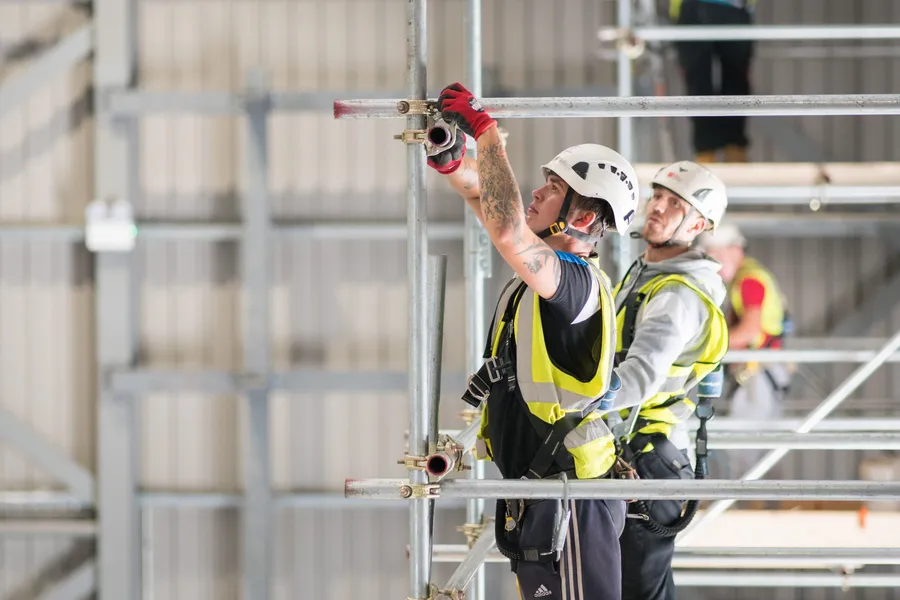
The UK construction industry has raised concerns over proposals that could see some apprenticeships shortened, with suggestions that certain trades may complete training in as little as eight months.
Within the scaffolding sector, these proposals have prompted warnings from trade bodies and safety professionals about the potential impact on competence, site safety, and long-term industry standards.
Why scaffolding training is under scrutiny
Scaffolding is a safety-critical trade that relies on a combination of technical knowledge and practical experience. Operatives must understand loading, stability, inspections, and safe erection and alteration procedures, often in complex and changing site environments.
Industry organisations have expressed concern that fast-tracked training routes could result in operatives being qualified without sufficient real-world experience.
Potential impact on site safety
Those opposing shortened apprenticeships argue that reduced training periods may lead to:
- Less exposure to varied site conditions
- Greater reliance on supervision
- Reduced confidence when dealing with complex scaffolds
- Increased risk of errors during erection, alteration, and dismantling
In scaffolding, experience gained over time plays a key role in maintaining safe working practices for both scaffolders and other trades working at height.
Our approach to training and competence
At Milton Keynes Scaffolding Specialists, training standards are not influenced by policy changes or pressure to accelerate qualification routes.
Operatives follow recognised training pathways and work under experienced supervision until they are genuinely competent. The focus remains on:
- Proper apprenticeship routes
- Ongoing skills development
- Adherence to CISRS guidance
- Maintaining high safety standards on every site
This approach reflects the belief that strong training protects people, projects, and reputations.
What this means for clients
For homeowners, contractors, and site managers, properly trained scaffolders mean safer structures, smoother inspections, and fewer issues throughout the life of a scaffold.
Competence on site supports compliance, reduces risk, and helps projects run more smoothly.
Looking ahead
While addressing skills shortages remains important, many across the industry believe this should not come at the expense of safety or professionalism.
Maintaining robust apprenticeship standards is widely viewed as essential to the long-term health of the scaffolding industry and the wider construction sector.
If you would like to discuss a project or our approach to training and safety, we are always happy to talk things through.
Phone: 01908 224 709
Email: info@mkscaffolding.com