How shutdown scaffolding actually works
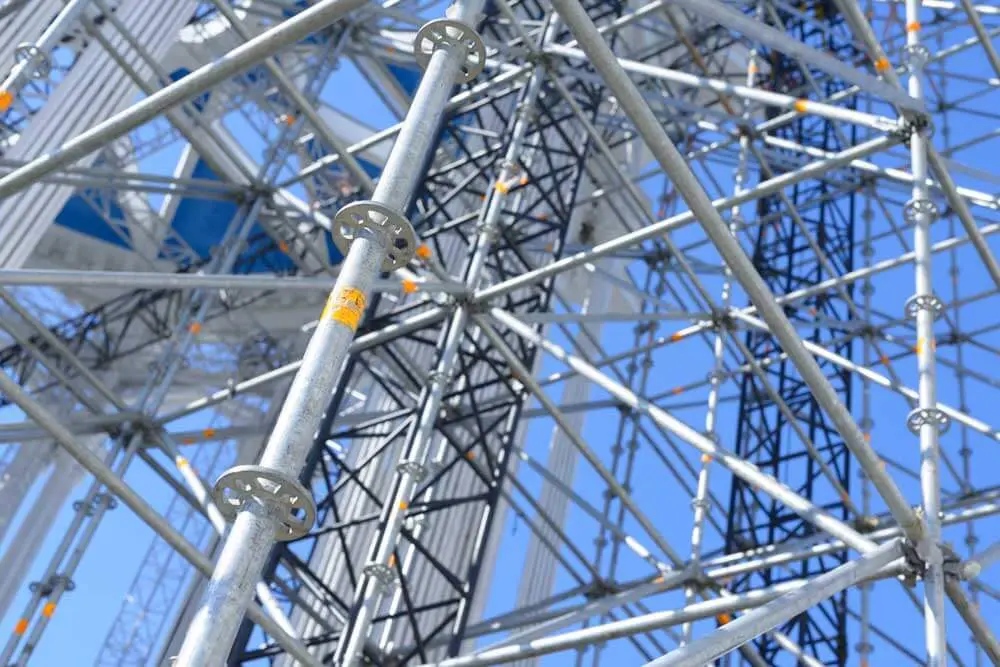
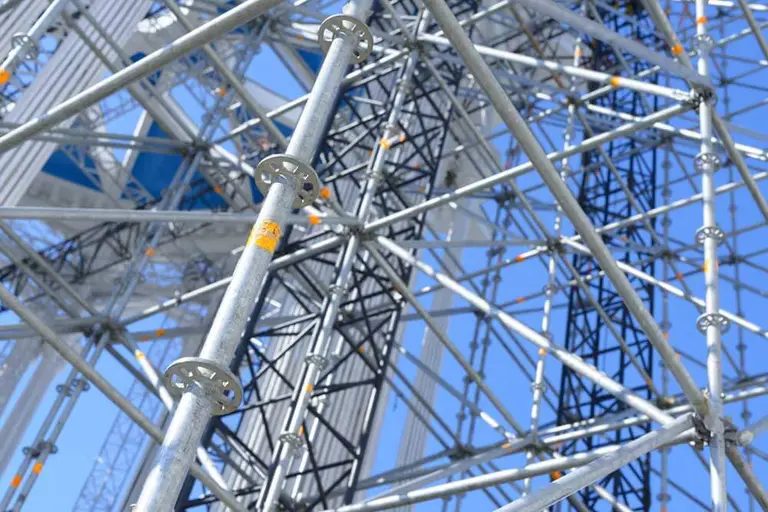
A shutdown is an exercise in sequencing. The mechanical trades can’t start until the scaffold is up. The insulation trades can’t start until the mechanical is finished. The scaffold can’t come down until both are done and signed off. And all of that has to fit inside a window that’s often been set by production planning 12 months in advance.
Our approach is to walk the whole programme in reverse from restart. That tells us the last possible scaffold element that can still be on site when the plant is handed back to operations — and from there we work back through alterations, mid-phase requirements, and the bulk erection up front. The programme falls out of that, not the other way around.
Resourcing realistically
The thing that kills shutdown programmes is optimistic resourcing. Two scaffolders can’t erect the scaffold a team of six is needed for — but equally, six scaffolders standing around waiting for the mechanical team to finish is a cost you can’t afford. We’ll scale the crew through the shutdown — front-loaded for bulk erection, lean during the mid-phase when it’s mostly alterations, and back up to full strength for the strip. You get the labour you need when you need it.
Talk to us in the planning phase
The earlier you bring us in, the better the shutdown will run. If you’re scoping next year’s turnaround or a major plant change-out, get in touch. We’ll happily sit in planning meetings, review the draft programme, and help you cost the scaffold scope before you commit.