Why bridge scaffolding is its own discipline
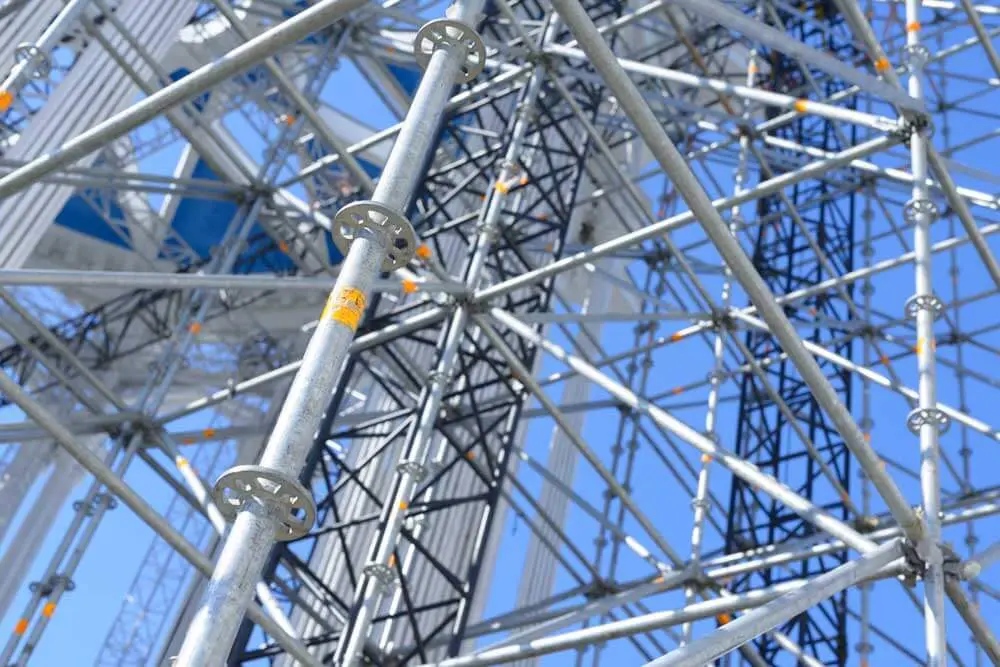
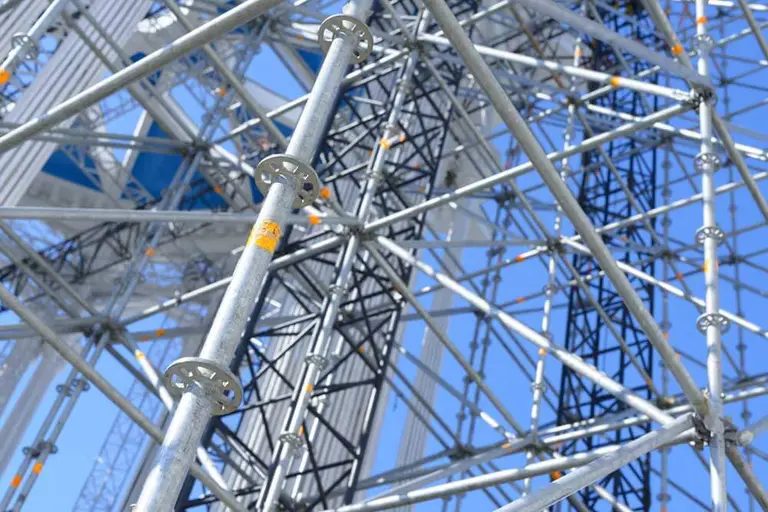
A normal scaffold has a foundation, standards, ledgers, ties into a solid structure. A bridge scaffold often has none of those standard features. It’s suspended in mid-air from rigging points that have to carry both the scaffold and its load. It has to resist wind loading across its full surface. And it has to be built in phased sections during available access windows, rather than in one continuous install.
That means every bridge scaffold is bespoke. We don’t work from a standard drawing; we work from first principles on every bridge. The survey takes longer, the design takes longer, and the install is slower than a standard scaffold because every stage has to be checked against the engineered design before the next phase begins. Bridge scaffolding pricing reflects this — it’s not comparable to standard scaffold pricing per tonne or per square metre.
Working with highway authorities
Most of our bridge work runs under framework or individual project arrangements with highway authorities — local authority highways teams, Highways England, and occasionally Network Rail. These clients have specific standards for method statements, competency, and sign-off, and our approach is to meet those standards as a baseline rather than a ceiling. Documentation is thorough, competency is demonstrable, and sign-off is in place before work starts.
Safety is the foundation
Bridge scaffold failures are high-consequence events. A suspended scaffold failure is potentially catastrophic — there is no second chance when the scaffold is 15m above a carriageway or a river. That drives a culture of over-engineering, proof-testing, documentation and independent check that runs through the whole job. If it feels slower than other scaffold work, it’s meant to.
If you’ve got an upcoming bridge inspection or refurbishment project in the Milton Keynes region or the wider surrounding area, get in touch at the planning stage and we’ll work with your structural engineer and the relevant highway authority on the scaffold approach.